Chronic TMJ Pain: Why Does It Keep Coming Back After Treatment?
Chronic temporomandibular joint (TMJ) pain can be frustrating, especially when symptoms improve after treatment and then return weeks or months

Chronic temporomandibular joint (TMJ) pain can be frustrating, especially when symptoms improve after treatment and then return weeks or months
Jaw clicking is a common problem that many people notice while eating, yawning, speaking, or opening their mouth. Sometimes the
Temporomandibular joint (TMJ) disorders are conditions that affect the jaw joints, the surrounding muscles, and the structures that help control

Temporomandibular joint (TMJ) problems can affect your jaw movement, chewing, speech, and overall comfort. Symptoms such as jaw pain, clicking
Temporomandibular Joint (TMJ) disorders can significantly affect your quality of life. If you experience persistent jaw pain, difficulty opening or

Temporomandibular Joint (TMJ) disorders affect millions of people worldwide, causing persistent jaw pain, headaches, difficulty chewing, and even problems with

Temporomandibular Joint (TMJ) disorders can significantly affect your quality of life. From persistent jaw pain and headaches to difficulty chewing
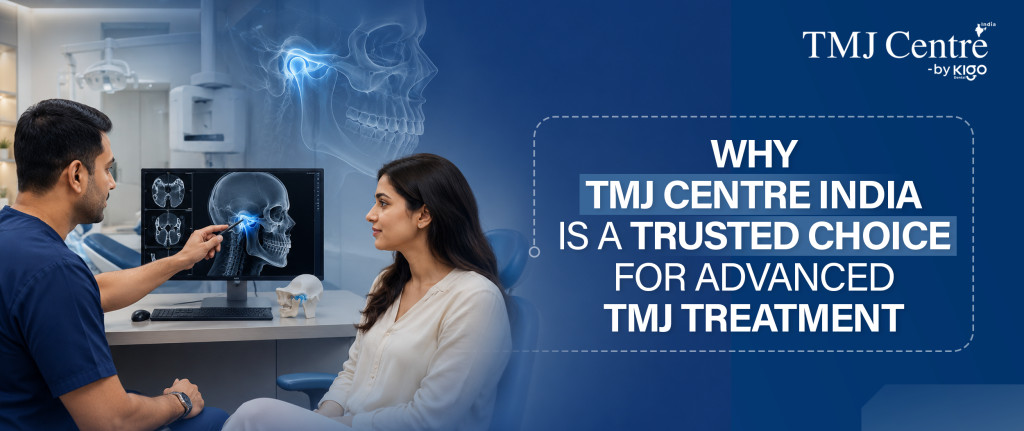
Temporomandibular Joint (TMJ) disorders can significantly affect your daily life, making simple activities like chewing, speaking, yawning, or even smiling

The shift to remote work has made life more convenient for many professionals, but it has also introduced new health
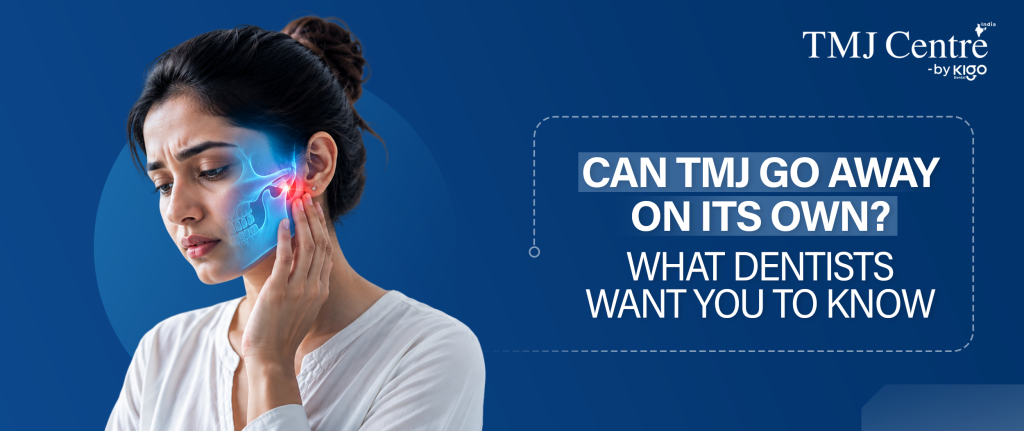
Temporomandibular Joint (TMJ) disorders are a common condition that affects the jaw joint and surrounding muscles. Many people experience jaw